
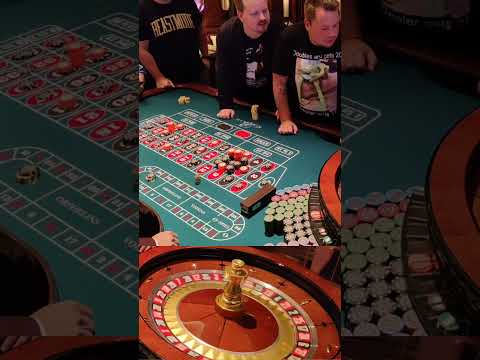
Live dealer games combine real-time presenters, visible cards or wheels and the pace of a physical table, which can make decisions feel more immediate than standard online games. For New Zealand adults considering crowngreen casino live, responsible play starts before the first hand: confirm that participation is permitted, understand the table rules, set a firm spending boundary and decide when to stop. The aim is entertainment, not income, and no live format removes the built-in mathematical advantage held by the operator.
Check whether the table is suitable before joining

The available material describes live roulette, blackjack and baccarat, with other table formats appearing in some listings. It also warns that game availability can vary by market and account. That matters because a game shown in a review, promotional page or general lobby description may not be available to someone connecting from New Zealand. The published information is also inconsistent about whether New Zealand residents are accepted, while the terms place responsibility on the user to confirm local eligibility.
Do not treat a registration screen, an accessible webpage or a local currency reference as proof that playing is permitted. Read the current terms and the jurisdiction notices presented during registration, and stop if the wording is unclear. The operator is described as offshore rather than licensed by a New Zealand regulator, so local readers should not assume that overseas authorisation provides the same protections as domestic oversight. Eligibility is a condition to establish before considering any table strategy.
A sensible pre-play check can be brief but specific. Confirm that you are legally allowed to participate, that you understand the table’s minimum and maximum stakes, and that the currency and any conversion charges are clear. Then ask whether you are calm enough to make decisions without chasing losses. If the answer is no, live dealer play is not an appropriate activity for that session, regardless of whether the table appears appealing or quiet.
How should a first session be planned?
Begin with a written session budget that represents money you can afford to lose completely. This should be separate from rent, food, transport, debt repayments and savings. A budget is not a prediction of the likely result; it is a ceiling on entertainment spending. Decide whether the amount applies to one session or a longer period, and avoid increasing it because the table has been unlucky.
Time limits are equally important. Live tables can move continuously, and a friendly presenter or a busy chat can make a session feel shorter than it is. Set an end time before joining, preferably with an alarm away from the gaming device. Include short breaks, particularly after an unexpectedly large win or loss. A break interrupts automatic play and gives you a chance to compare your actual spending with the limit you set beforehand.
Keep the plan simple enough to follow when emotions rise. You might use these boundaries:
- one maximum amount for the session;
- one fixed finishing time;
- no borrowing or using credit to continue;
- no redepositing after the budget is reached;
- no attempt to recover losses through larger stakes.
Write the boundaries down before opening a table. If the platform offers account or session controls, check what they actually do and whether they are available to your account. The source material does not consistently confirm that deposit, loss, session or wager limits are available, so do not rely on their existence without checking the live account interface.

What do live presenters change—and what stays the same?
A presenter can explain procedures, announce outcomes and create a social atmosphere, but cannot change the underlying odds in your favour. In roulette, each spin is a separate event; a run of black results does not make red “due”. In baccarat, previous hands do not create a reliable signal about the next one. In blackjack, decisions can affect the expected result, but they do not remove the house edge or guarantee a profitable session.
The live setting can also create subtle pressure. A fast sequence of hands, visible wagers from other participants and messages in the table chat may encourage decisions that would feel less attractive on paper. Treat chat, presenter commentary and apparent momentum as entertainment rather than evidence. A table’s popularity is not proof of fairness, superior returns or suitability for your budget.
Short-term outcomes should not be used to judge whether a game is “working”. A few hands or spins cannot establish a personal winning pattern, and a brief trial does not verify return-to-player performance or volatility. Before joining, learn the rules, side-bet conditions and payout structure from the table information. Side bets deserve particular caution: they may appear attractive but often carry different odds and can increase the speed at which a budget disappears.
Use safer decisions when the session becomes emotional
Emotional changes are useful stop signals. Irritation after a loss, urgency after a near miss, excitement after a win or a desire to prove a point can all narrow attention. When that happens, pause rather than choosing another table. Close the session, move away from the device and record the amount spent. A result that feels recoverable can still lead to repeated deposits and a much larger loss.
Never use a live table as a way to manage financial stress. Gambling is not a replacement for wages, an investment strategy or a solution to bills. Avoid playing while drinking, tired, distressed or under pressure from another person. These conditions make it harder to follow limits and easier to interpret random outcomes as meaningful. If someone else is encouraging you to keep playing, that is a reason to stop, not a reason to raise the stake.
For independent information and support options, New Zealand readers can consult Gambling Helpline New Zealand. Seeking advice does not require waiting for a crisis. A confidential conversation can help clarify whether gambling is remaining within an entertainment budget or beginning to affect sleep, relationships, work or essential spending. If you feel at immediate risk of harming yourself or someone else, contact emergency services without delay.
What should happen after a loss or a win?
After a loss, do not make a second decision simply because the first one went badly. The loss is already part of the session’s result; increasing the stake changes the future risk but cannot alter the past outcome. Close the table if your original budget has been reached. If the budget has not been reached but you feel compelled to continue, treat that feeling as a stopping point anyway.
A win also needs boundaries. Withdrawable balance, displayed profit and promotional funds may be governed by different conditions, and the source material describes varying bonus rules, wagering requirements and verification practices. Do not assume that a visible balance is immediately available or that a promotion applies to a particular live game. Read the current offer and account terms, and avoid giving back a win simply to extend the session.
Review the session later, when the excitement has passed. Note the starting budget, total deposits, time spent, games used and whether you followed your own rules. Patterns such as hiding play, repeatedly checking results, missing obligations or returning quickly after losses deserve serious attention. If self-exclusion or account-closure tools are offered, read the procedure carefully and keep any confirmation. The published material raises concerns about inconsistent safer-gambling controls, so do not assume a request has taken effect until the operator confirms it.
Live dealer play questions answered
Does a live presenter make the game safer?
No. A presenter may make the process clearer and more social, but the game still involves chance and an operator advantage. The visible setting does not guarantee a favourable result, prevent losses or replace personal limits. Safer play depends on eligibility checks, a fixed budget, time boundaries and stopping when those boundaries are reached.
Should I increase my stake after several losses?
No. Previous outcomes do not make a win more likely, and raising stakes can exhaust your budget faster. The idea that a result is “due” is a common gambling misconception. Treat a run of losses as a reason to pause or finish the session, not as evidence that a recovery bet has better odds.
What if I cannot stop when I planned?
End the session and seek support rather than trying to solve the problem through another wager. Remove saved payment details where possible, avoid gambling while distressed, and tell someone you trust. Contact a New Zealand gambling-support service for confidential guidance, especially if play is affecting finances, relationships, work or your wellbeing.